Source Insulated Reusable Wine Carrier With Zipper for Beach, Hiking, Picnics
Compare 30 insulated reusable wine carrier with zipper options from verified suppliers. These carriers feature multiple compartments, thermal insulation, and customization support for food, cans, and wine transport during beach trips, hiking, and road trips; compare the available evidence and request quotations based on your requirements.
Key considerations
Products List


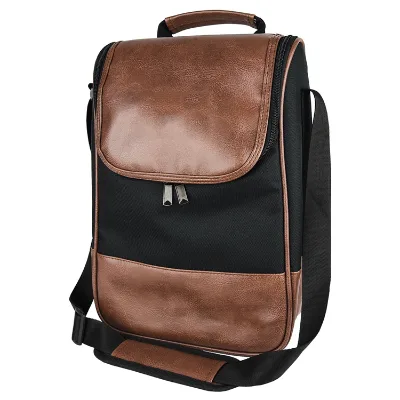


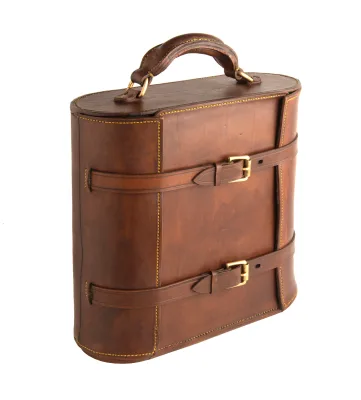

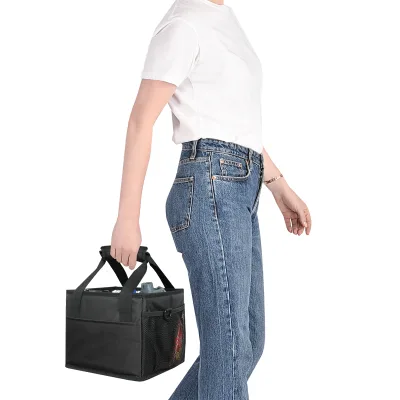


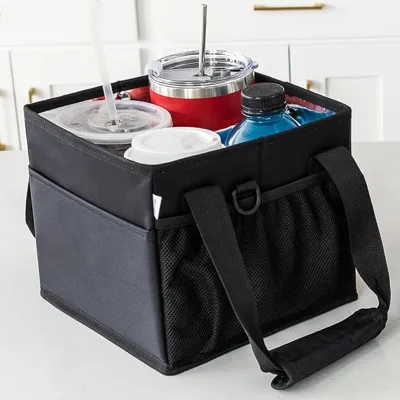


Comprehensive Sourcing Guide
Insulated Reusable Wine Carrier with Zipper Sourcing Guide
Sourcing insulated reusable wine carriers with zipper closures requires a clear understanding of the diverse product landscape available from global manufacturers. The market offers a wide variety of styles, ranging from backpacks and tote bags to specialized vertical carriers, each designed to meet specific logistical and promotional needs. Buyers must navigate this variety by focusing on core functional attributes such as thermal insulation effectiveness, material durability, and customization capabilities. The presence of zipper closures is a critical feature for maintaining temperature control and ensuring secure transport, distinguishing these products from simpler soft-sided coolers.
Procurement teams should prioritize suppliers who demonstrate flexibility in design and production standards. Many manufacturers offer customizable options, including logo printing and tailored dimensions, which are essential for corporate gifting and brand promotion. The observed product range includes models with varying capacities, from small six-can carriers to larger twenty-liter units, allowing buyers to select the most appropriate solution for their target audience. Understanding these variations is the first step in building a successful supply chain for insulated beverage carriers.
Product Scope and Observed Listing Signals
The current market signals indicate a broad spectrum of insulated carriers, with observed price points ranging from $0.30 to $45.50 USD and minimum order quantities typically between 100 and 1,000 units. This wide variance reflects differences in material quality, insulation technology, and customization levels. For instance, some listings highlight basic polyester or felt constructions with minimal features, while others specify premium Oxford materials with aluminum linings and multiple compartments. Buyers should interpret these signals as indicators of tiered product offerings rather than uniform market standards, requiring careful evaluation of each supplier’s specific value proposition.
Observed attributes reveal a strong emphasis on versatility and promotional utility. Products are frequently marketed for diverse applications, including beach trips, grocery shopping, hiking, and medical cooling, suggesting a high degree of adaptability. Color options are extensive, covering black, blue, gray, green, orange, pink, purple, and red, alongside customized choices. Additionally, the availability of non-disposable, reusable designs aligns with sustainability trends, while features like adjustable straps and multiple compartments enhance user convenience. These signals help buyers identify products that balance functionality with aesthetic appeal.
Technical Specifications to Verify
Verifying technical specifications is crucial for ensuring the product meets operational requirements. Key attributes to confirm include thermal insulation performance, which typically ranges from four to eight hours depending on the lining material, such as PE foam or aluminum foil. Buyers should also assess the bearing capacity, with many models supporting loads exceeding ten kilograms, and verify the gross weight, which often falls between one and one point five kilograms for standard units. These metrics directly impact usability and portability, making them essential criteria for selection.
Material composition and construction details further define product quality. Common materials include Oxford fabric, polyester, and felt, each offering distinct durability and water resistance profiles. While some products are noted as not waterproof, others may feature water-resistant linings. The closure mechanism, primarily zipper-based, must be inspected for smooth operation and durability. Additionally, dimensions such as vertical sizes around twenty-four by ten by thirty-six centimeters should be matched against the intended contents, such as standard wine bottles or multiple cans, to ensure a proper fit and effective insulation.
Compliance and Safety Documentation
Compliance and safety documentation form the backbone of responsible procurement, particularly for products intended for food and beverage contact. Buyers must request evidence that materials used in the lining, such as PE foam or aluminum, are food-safe and free from harmful chemicals. Although specific certification statuses are not universally disclosed in general listings, suppliers should be able to provide test reports or declarations of conformity for materials that come into direct contact with consumables. This step is vital to mitigate health risks and ensure adherence to international safety standards.
Environmental and regulatory compliance also requires attention, especially regarding the disposal and recyclability of materials. While many products are marketed as reusable and non-disposable, buyers should inquire about the end-of-life management of components like zippers and straps. Suppliers operating in China, a common origin for these goods, may adhere to local environmental regulations, but international buyers should verify alignment with their own market’s requirements. Clear documentation on material composition and manufacturing processes helps build trust and ensures that the products meet both legal and ethical sourcing standards.
Cost Drivers and Commercial Terms
Cost drivers for insulated wine carriers include material selection, insulation complexity, and customization requirements. Products with advanced insulation, such as aluminum lining or multi-layer PE foam, typically command higher prices than those with basic foam linings. Customization, including logo printing and tailored dimensions, adds to the unit cost but can enhance brand value. Buyers should also consider the impact of order volume on pricing, as higher quantities often lead to better unit costs, with observed minimum order quantities starting at five hundred pieces for some suppliers.
Commercial terms such as packaging and shipping logistics significantly influence the total cost of ownership. Standard packaging often involves individual OPP bags with carton bulk packing, with outer box dimensions and weights varying by model. For example, some cartons contain twenty pieces and weigh approximately eight point seven kilograms. Buyers must factor in these logistical details when calculating landed costs. Additionally, payment terms and lead times should be negotiated clearly to avoid delays, ensuring that the supply chain remains efficient and cost-effective throughout the procurement process.
Supplier Qualification and Quality Control
Supplier qualification involves assessing manufacturing capabilities, quality control processes, and past performance. Buyers should verify that suppliers have experience in producing insulated carriers with consistent quality, particularly regarding zipper durability and insulation integrity. Requesting samples is a critical step to evaluate the physical product, including the feel of the material, the smoothness of the zipper, and the effectiveness of the thermal lining. Suppliers who provide detailed product specifications and customization options are often more reliable partners for long-term collaboration.
Quality control measures should be established before mass production begins. This includes defining clear acceptance criteria for defects, such as stitching errors, zipper malfunctions, or uneven insulation. Buyers may implement pre-shipment inspections to ensure that the delivered goods meet the agreed-upon standards. Additionally, suppliers should be willing to accommodate third-party inspections if required. Establishing a robust quality control framework helps minimize the risk of receiving substandard products and ensures that the final goods meet the expectations of end-users.
Long-Term Procurement Checks
Long-term procurement checks focus on maintaining supplier performance and adapting to market changes. Regular audits of supplier quality, delivery times, and communication effectiveness are essential for sustaining a reliable supply chain. Buyers should monitor any changes in material costs or regulatory requirements that could impact product pricing or compliance. Proactive engagement with suppliers allows for early identification of potential issues and facilitates collaborative problem-solving, ensuring that the procurement process remains smooth and efficient over time.
Continuous improvement in product design and functionality is another key aspect of long-term strategy. As consumer preferences evolve, buyers should work with suppliers to explore new materials, colors, and features that enhance product appeal. This might include incorporating more sustainable materials or improving insulation efficiency. By staying informed about industry trends and maintaining open lines of communication with suppliers, buyers can ensure that their insulated wine carriers remain competitive and relevant in the market, delivering value to both the business and its customers.
FAQs
What insulation materials are used in an insulated reusable wine carrier with zipper?
Most insulated reusable wine carriers with zipper use an aluminum lining combined with PE foam or a PU layer to slow heat transfer. This construction supports thermal insulation of roughly 4 to 8 hours for food, cans, wine, and drinks. Exact lining materials can be customized, so confirm the specification with the supplier before ordering.
How long does an insulated reusable wine carrier with zipper keep contents cold?
Typical cold time is 4 to 6 hours, with thermal insulation effects generally ranging from 4 to 8 hours depending on the model. Performance depends on the lining, outside temperature, and whether ice packs are used. For longer outings such as beach trips or picnics, pre-chill contents and keep the zipper fully closed.
Can the insulated reusable wine carrier with zipper be customized with a logo?
Yes, customization is available and custom logo printing is supported on listed models. Buyers can also request customized colors, sizes, and product standards. Logo printing makes these carriers suitable for promotion, and customization terms such as artwork format and extra cost should be confirmed directly with the supplier during quotation.
What capacity options does an insulated reusable wine carrier with zipper offer?
Listed models cover capacities from 6 to 12 cans up to 20L, with large sizes available for food, cans, wine, and drinks. Bearing capacity exceeds 10 kg on backpack styles. Choose based on your use case, such as grocery shopping, hiking, picnics, or road trips, and verify exact dimensions with the supplier.
Which materials are commonly offered for insulated reusable wine carriers with zipper?
Common outer materials include oxford fabric, polyester, and felt, giving a medium-soft structure suitable for reusable use. Some models are not waterproof, so avoid prolonged exposure to rain. Lining options such as aluminum, PE foam, and PU layers provide the insulation, and material choices can typically be customized to your requirement.
What is the typical MOQ and packaging for insulated reusable wine carriers with zipper?
A listed MOQ is 500 pieces, with MOQ ranges across the category from 100 to 1000 pieces depending on the model and customization level. Packing options include OPP bags with cartons, such as 1 piece per OPP bag and 20 pieces per carton. Confirm carton dimensions and gross weight when calculating shipping costs.
Can a backpack style insulated reusable wine carrier with zipper be used for outdoor trips?
Yes, backpack styles with adjustable straps and zipper closure suit beach trips, hiking, picnics, road trips, and grocery shopping. They are non-disposable, hold more than 10 kg, and weigh about 1 to 1.5 kg gross. Since some models are not waterproof, pack contents accordingly when weather may be wet.
How heavy is an insulated reusable wine carrier with zipper?
Gross weight is typically 1 to 1.5 kg for backpack models, while tote styles weigh about 400 g. Weight varies with size, capacity, and materials such as oxford, polyester, or felt. Lighter totes carry 6 to 12 cans, while larger 20L backpacks suit bulk food, wine, and drink transport.